Oral surgery refers to any operation done inside your mouth. Examples include tooth extractions, dental implants and tissue grafts. Dental specialists, who have advanced training in oral surgery, do these procedures. Healing times vary depending on the type of surgery you need.
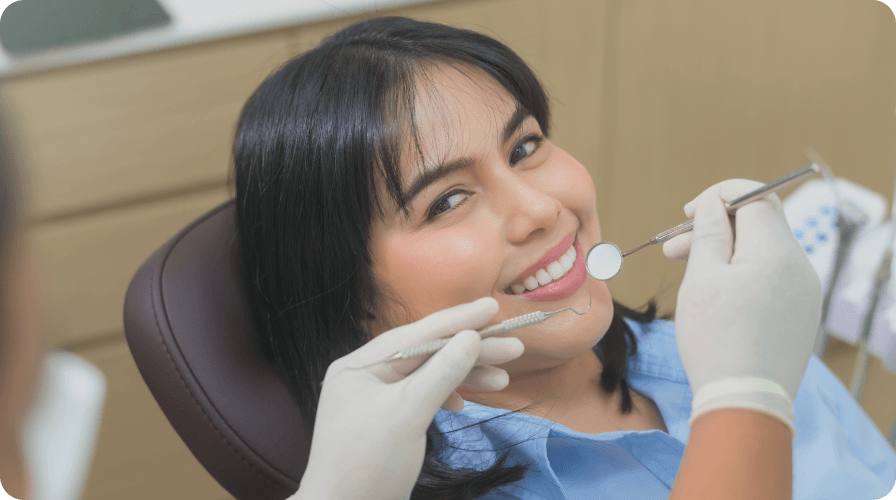
The process begins with taking upper and lower study models, followed by a trial wax-up on these models in the laboratory to develop the proposed aesthetic scheme. You will then have a sitting with the waxed-up models to discuss, modify, and approve your proposed new smile. This serves as a blueprint for the ceramist who will create your veneers. Additionally, a complementary consultation with the ceramicist is arranged to directly assess your shade and aesthetic preferences, as their involvement is essential to achieving a successful treatment outcome.
The process begins with taking upper and lower study models, followed by a trial wax-up on these models in the laboratory to develop the proposed aesthetic scheme. You will then have a sitting with the waxed-up models to discuss, modify, and approve your proposed new smile. This serves as a blueprint for the ceramist who will create your veneers. Additionally, a complementary consultation with the ceramicist is arranged to directly assess your shade and aesthetic preferences, as their involvement is essential to achieving a successful treatment outcome.
The process begins with taking upper and lower study models, followed by a trial wax-up on these models in the laboratory to develop the proposed aesthetic scheme. You will then have a sitting with the waxed-up models to discuss, modify, and approve your proposed new smile. This serves as a blueprint for the ceramist who will create your veneers. Additionally, a complementary consultation with the ceramicist is arranged to directly assess your shade and aesthetic preferences, as their involvement is essential to achieving a successful treatment outcome.

Composite resin veneers are sculpted directly onto the tooth surface using a tooth-coloured resin. They are a conservative alternative to porcelain veneers, typically require minimal enamel reduction, and can often be completed in a single visit. Repairs and colour adjustments are also simpler because the material can be easily added and repolished.
The application process is usually completed in one to two hours per arch. After cleaning and shade selection, layers of resin are placed, shaped, and light-cured tooth by tooth. A final polish smooths the surface for a natural shine, and minor adjustments can be made immediately to refine your bite and comfort.
Dental hygiene is the practice of keeping your teeth, gums, and mouth clean and healthy. It includes daily habits like brushing, flossing, and regular dental checkups to prevent cavities, gum disease, and bad breath. Good dental hygiene helps maintain a bright smile and overall oral health.
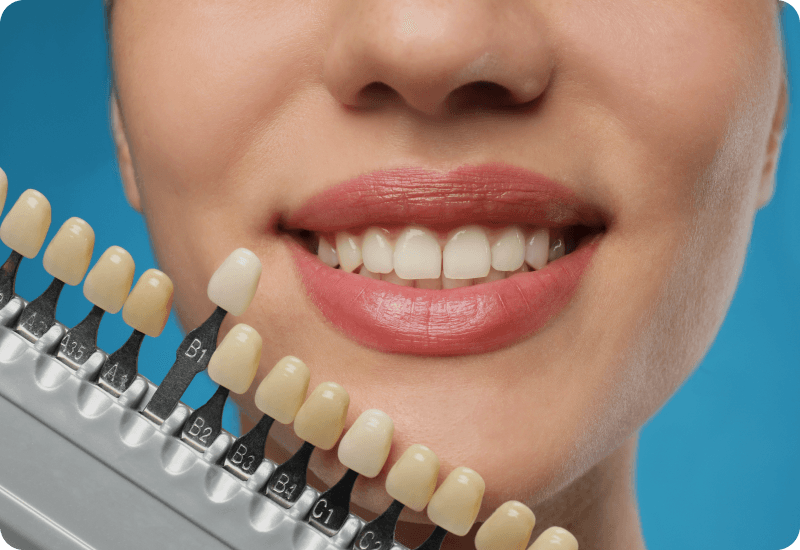
Dental hygiene is the daily care of your teeth and gums to keep your mouth healthy.
Brush at least twice a day for two minutes each time.
Yes—flossing removes food and plaque from places your brush can't reach.
Most people should visit every 6 months for a checkup and cleaning.
Poor oral hygiene, food buildup, and gum issues are common causes.
A soft-bristled brush is recommended for gentle and effective cleaning.
It's helpful but optional; it freshens breath and reduces bacteria.
Brush, floss daily, limit sugary foods, and get regular dental cleanings.
Yes, with proper brushing, flossing, and routine dental visits.
It may be due to plaque buildup or gum inflammation—improve hygiene or see a dentist.