Oral surgery refers to any operation done inside your mouth. Examples include tooth extractions, dental implants and tissue grafts. Dental specialists, who have advanced training in oral surgery, do these procedures. Healing times vary depending on the type of surgery you need.

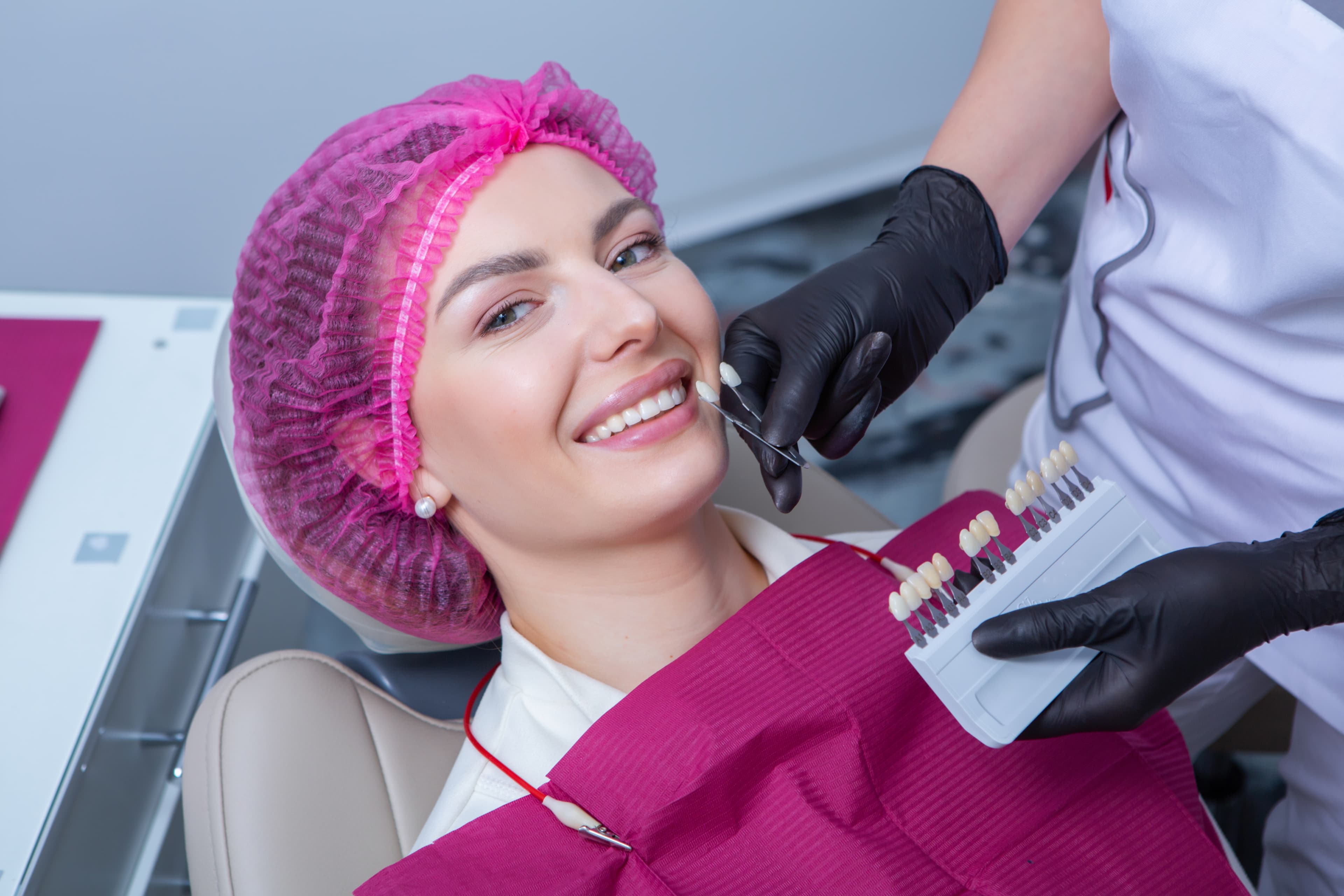
The process begins with taking upper and lower study models, followed by a trial wax-up on these models in the laboratory to develop the proposed aesthetic scheme. You will then have a sitting with the waxed-up models to discuss, modify, and approve your proposed new smile. This serves as a blueprint for the ceramist who will create your veneers. Additionally, a complementary consultation with the ceramicist is arranged to directly assess your shade and aesthetic preferences, as their involvement is essential to achieving a successful treatment outcome.
The process begins with taking upper and lower study models, followed by a trial wax-up on these models in the laboratory to develop the proposed aesthetic scheme. You will then have a sitting with the waxed-up models to discuss, modify, and approve your proposed new smile. This serves as a blueprint for the ceramist who will create your veneers. Additionally, a complementary consultation with the ceramicist is arranged to directly assess your shade and aesthetic preferences, as their involvement is essential to achieving a successful treatment outcome.
The process begins with taking upper and lower study models, followed by a trial wax-up on these models in the laboratory to develop the proposed aesthetic scheme. You will then have a sitting with the waxed-up models to discuss, modify, and approve your proposed new smile. This serves as a blueprint for the ceramist who will create your veneers. Additionally, a complementary consultation with the ceramicist is arranged to directly assess your shade and aesthetic preferences, as their involvement is essential to achieving a successful treatment outcome.

Composite resin veneers are sculpted directly onto the tooth surface using a tooth-coloured resin. They are a conservative alternative to porcelain veneers, typically require minimal enamel reduction, and can often be completed in a single visit. Repairs and colour adjustments are also simpler because the material can be easily added and repolished.
The application process is usually completed in one to two hours per arch. After cleaning and shade selection, layers of resin are placed, shaped, and light-cured tooth by tooth. A final polish smooths the surface for a natural shine, and minor adjustments can be made immediately to refine your bite and comfort.
Oral surgery is a specialized field of dentistry that involves surgical procedures affecting the teeth, gums, jaws, face, and surrounding oral tissues. It encompasses a wide range of treatments performed by oral and maxillofacial surgeons—highly trained dental specialists who have completed advanced education in both dentistry and surgical techniques.
A referral is helpful but not always required. Many patients can schedule directly with an oral surgeon, especially if already diagnosed with a condition requiring surgical intervention.
No, you'll receive appropriate anesthesia ensuring complete numbness during surgery. Post-operative soreness is normal and manageable with prescribed pain medications.
Options include local anesthesia (numbs surgical area), IV sedation (conscious but relaxed), and general anesthesia (deep sleep). Your surgeon customizes based on procedure complexity and anxiety level.
Follow fasting guidelines, inform your surgeon about medications, arrange transportation, wear comfortable clothing, and avoid tobacco and alcohol before surgery.
Common risks include infection, bleeding, swelling, and bruising—all manageable with proper care. Rare complications like nerve damage are discussed during your consultation.
Most recovery occurs within 1-4 weeks depending on procedure complexity. Expect initial bleeding, swelling, and discomfort that gradually decrease over time.
Stick to soft foods like yogurt and soup, avoid hot drinks and alcohol, and gradually reintroduce harder foods as healing progresses.
Use prescribed pain medications, apply ice packs for 15-20 minutes, keep your head elevated, rest, and perform saltwater rinses starting the next day.
Most patients can return to work within 2-3 days for simple procedures, while complex surgeries may require 1-2 weeks. Avoid strenuous activities and follow your surgeon's specific recommendations based on your procedure.
Contact your oral surgeon immediately if you experience excessive bleeding, severe pain not relieved by medication, signs of infection (fever, pus, increasing swelling), or any concerns. Most issues can be resolved quickly with prompt attention.