Oral surgery refers to any operation done inside your mouth. Examples include tooth extractions, dental implants and tissue grafts. Dental specialists, who have advanced training in oral surgery, do these procedures. Healing times vary depending on the type of surgery you need.
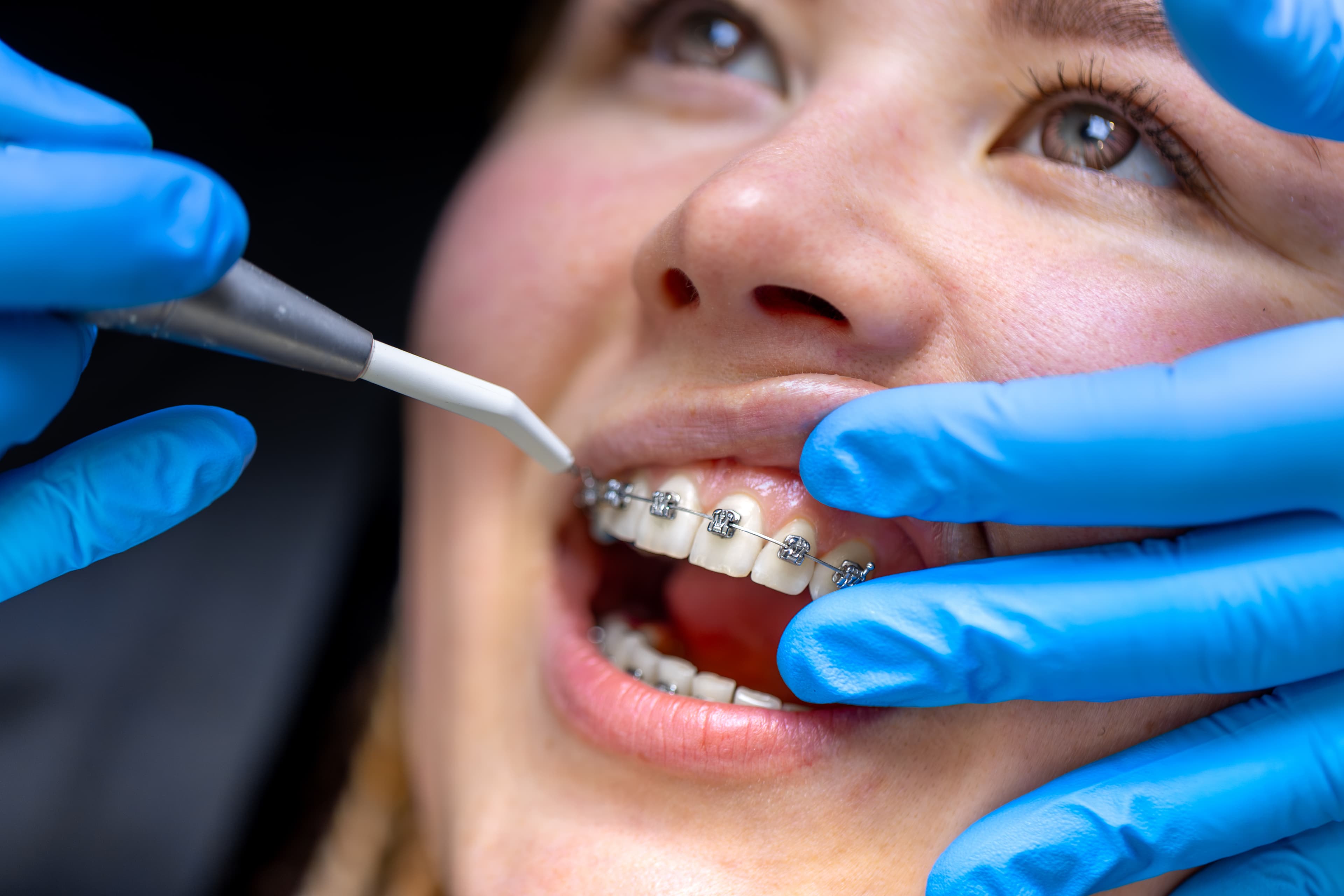
The process begins with taking upper and lower study models, followed by a trial wax-up on these models in the laboratory to develop the proposed aesthetic scheme. You will then have a sitting with the waxed-up models to discuss, modify, and approve your proposed new smile. This serves as a blueprint for the ceramist who will create your veneers. Additionally, a complementary consultation with the ceramicist is arranged to directly assess your shade and aesthetic preferences, as their involvement is essential to achieving a successful treatment outcome.
The process begins with taking upper and lower study models, followed by a trial wax-up on these models in the laboratory to develop the proposed aesthetic scheme. You will then have a sitting with the waxed-up models to discuss, modify, and approve your proposed new smile. This serves as a blueprint for the ceramist who will create your veneers. Additionally, a complementary consultation with the ceramicist is arranged to directly assess your shade and aesthetic preferences, as their involvement is essential to achieving a successful treatment outcome.
The process begins with taking upper and lower study models, followed by a trial wax-up on these models in the laboratory to develop the proposed aesthetic scheme. You will then have a sitting with the waxed-up models to discuss, modify, and approve your proposed new smile. This serves as a blueprint for the ceramist who will create your veneers. Additionally, a complementary consultation with the ceramicist is arranged to directly assess your shade and aesthetic preferences, as their involvement is essential to achieving a successful treatment outcome.
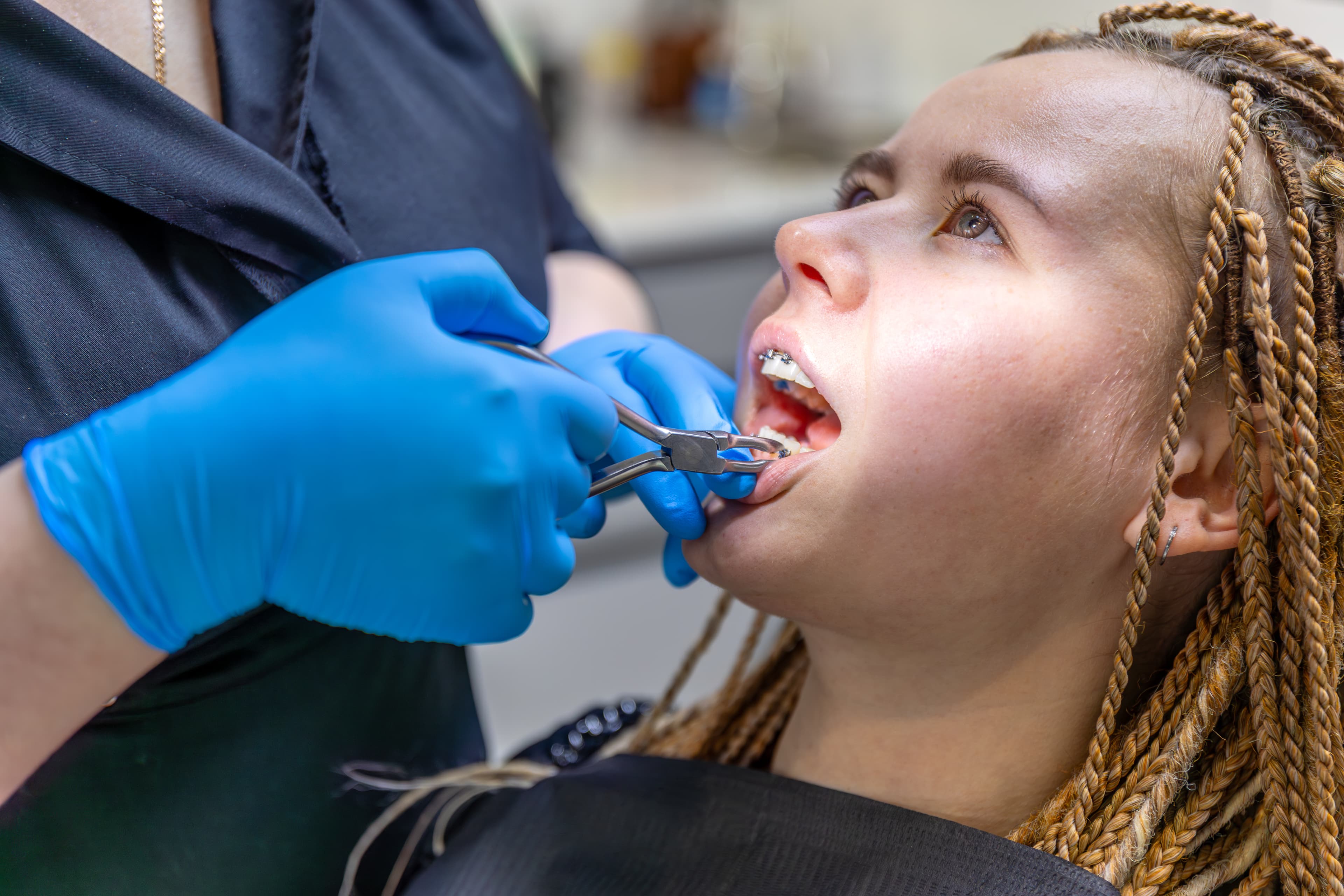
Prosthodontics is a dental specialty focused on restoring and replacing damaged or missing teeth using crowns, bridges, dentures, implants, and other advanced restorations. It aims to improve both the function and appearance of your smile
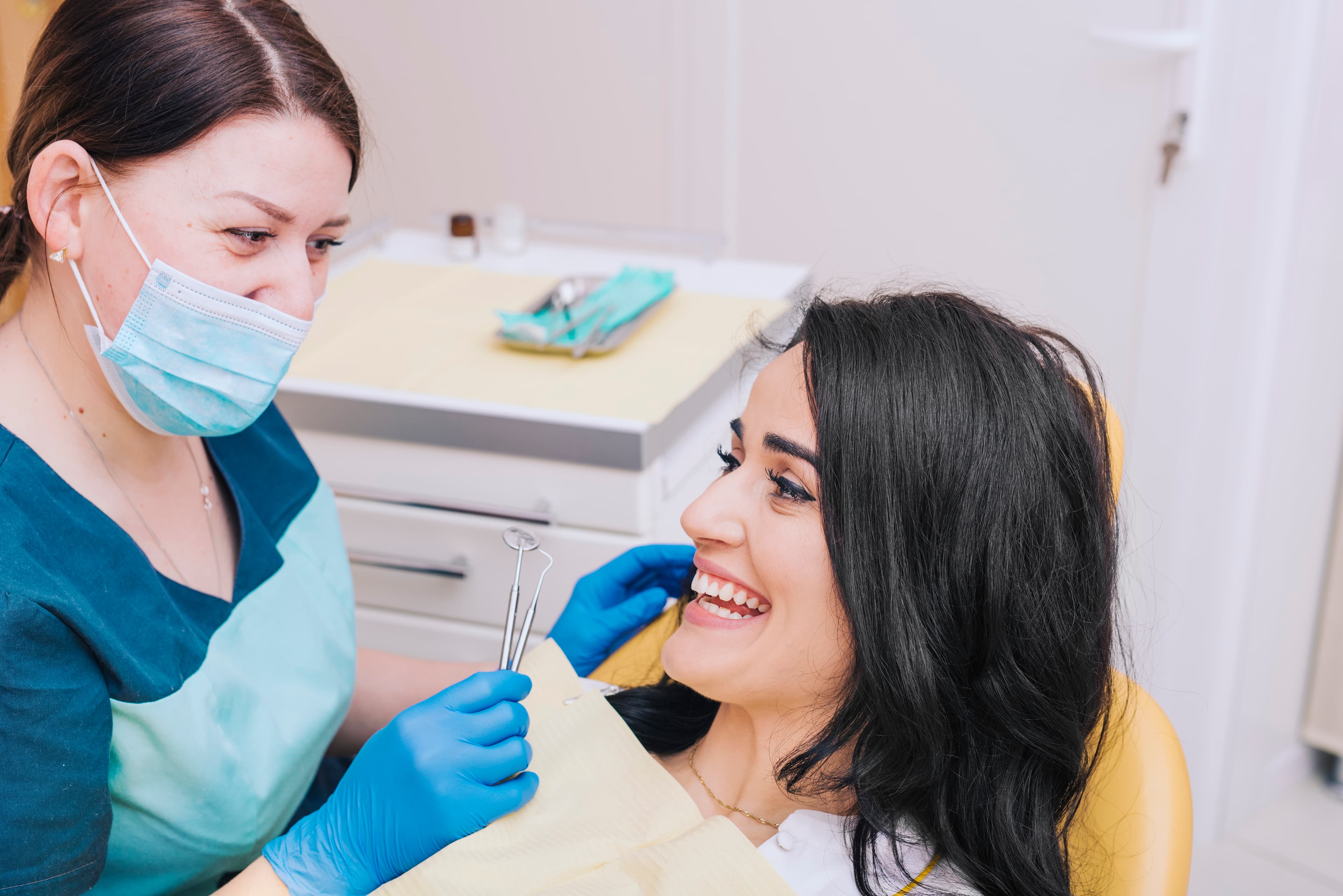
A prosthodontist specializes in restoring and replacing teeth using advanced techniques to improve your smile, bite, and overall oral function.
Visit a prosthodontist if you have missing, broken, worn-down, or damaged teeth, or if you need complex dental restorations.
Prosthodontics includes crowns, bridges, veneers, dentures, implants, and full-mouth reconstruction for restoring teeth and appearance.
Yes, dental implants are a key part of prosthodontics and are used to replace missing teeth with long-lasting results.
With proper oral hygiene and regular dental visits, crowns and bridges can last 10–15 years or even longer.
Modern dentures are designed to fit securely and comfortably, giving you a natural feel and better chewing ability.
Yes, restorations are crafted to match the shape and color of your natural teeth for a seamless appearance.
Definitely—prosthodontic treatments enhance both the look of your smile and the function of your teeth.
Most procedures are done under local anesthesia, making the process comfortable with minimal discomfort afterward.
Maintain good oral hygiene, avoid very hard foods, and visit your dentist regularly to keep your restorations in great shape.